Grok Imagine is xAI's image and video model, and there are five real ways to call it through an API. Here's how they compare on modes, pricing, and who each one actually fits best.
Quick comparison
| # | Provider | Type | Modes | Pricing | Best for |
|---|---|---|---|---|---|
| 1 | Apiframe | Unified multi-model API | Separate image + video models | $0.03/image and edits; video pay-as-you-go | Cheapest confirmed image rate, one key for every other model too |
| 2 | Kie.ai | Model-focused platform | Video-first (T2V/I2V + audio), plus image | Not published | Synced-audio video and Spicy Mode |
| 3 | OpenRouter | Aggregator/router | Image (Grok Imagine Image Quality) | From $0.05/image | Routing across backend providers |
| 4 | fal.ai | Serverless inference platform | Image + video | $0.01/unit (Quality tier) or $0.02/image (standard edit); video $0.01-$0.05/sec depending on variant | Visual-AI-focused infrastructure |
| 5 | Replicate | Community model host | Image + video | ~0.08/s | Prototyping, broad model catalog |
1. Apiframe
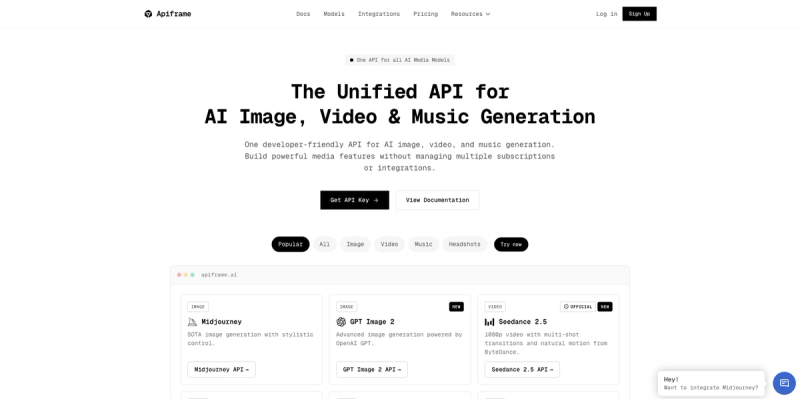
Apiframe splits Grok Imagine into two clean endpoints: grok-imagine-image for text-to-image generation and natural-language editing, and grok-imagine-video for image-to-video with reference images. Both run through the same key and billing as every other model on the platform: background jobs, webhook notifications, and no separate xAI account needed.
On price, it's the cheapest confirmed rate in this comparison: $0.03 per image (3 credits), the same flat rate for both text-to-image and edits. Video is billed pay-as-you-go, and the exact per-generation rate isn't published on the model page itself, so check the live pricing page for current numbers. Our Grok Video API Guide covers the video side specifically.
Best for: cost-conscious image generation at volume, or teams already using Apiframe for other models who want Grok Imagine on the same key.
2. Kie.ai
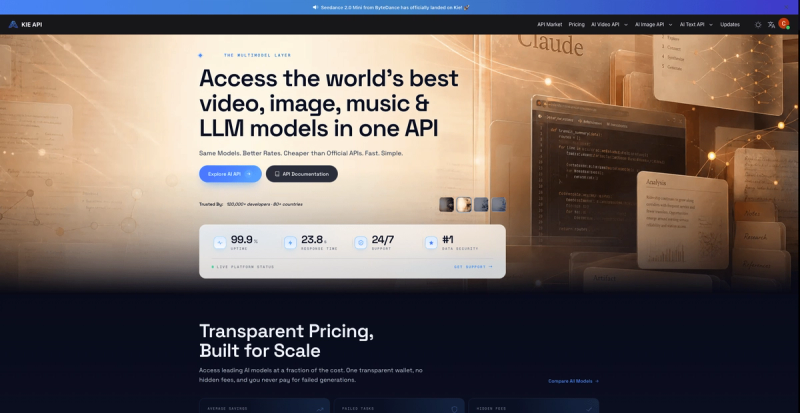
Kie.ai leans into Grok Imagine's video side: text-to-video and image-to-video with synchronized audio, plus three generation modes, Normal, Fun, and Spicy. Spicy is a real, documented option for more expressive, less restrictive output. Kie.ai also supports text-to-image and image-to-image generation. New accounts get free credits, though no explicit per-generation price was visible in the page's public content, so it's worth checking directly before you budget.
Best for: teams specifically after Grok's video-plus-audio combination, with mode flexibility built in.
3. OpenRouter
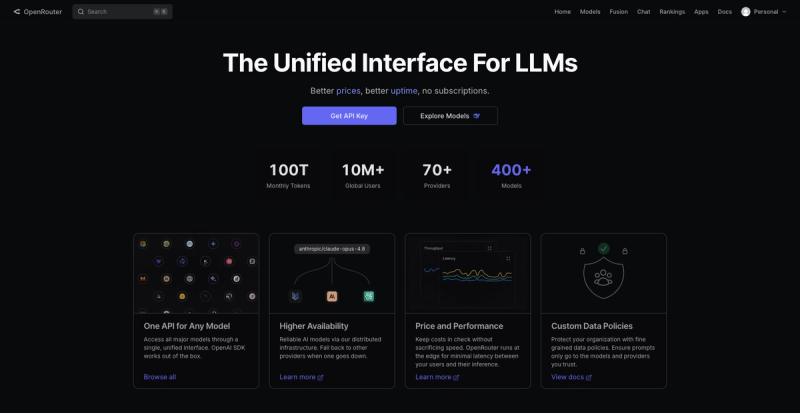
OpenRouter's own listing for "Grok Imagine Image Quality" states pricing starting at $0.05 per image, released May 18, 2026, at 1K or 2K resolution. Like other models on the platform, OpenRouter doesn't host the model directly. It routes requests to whichever backing provider can serve them, with automatic fallback if one is unavailable.
Best for: teams that want provider redundancy without building their own failover logic.
4. fal.ai
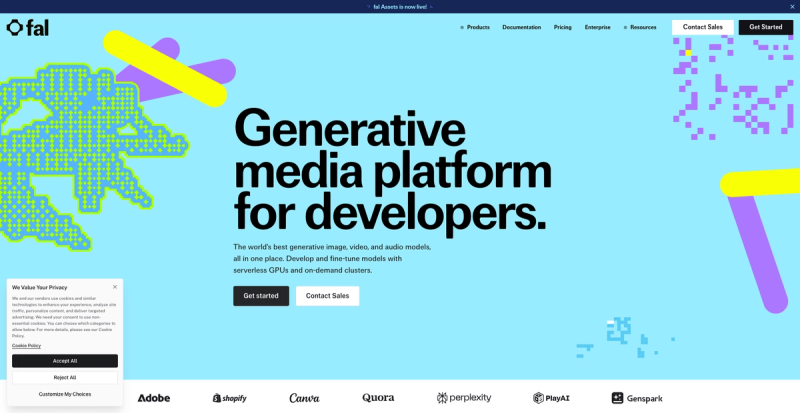
fal.ai is a well-known and legitimate visual AI infrastructure platform, but its live Grok Imagine pricing page didn't return usable data during this research pass. A third-party tracker reports roughly $0.050 per image and $0.10 per second for video, but that number is secondhand rather than pulled directly from fal.ai, so treat it as a starting estimate rather than a confirmed rate.
Best for: teams already building on fal.ai for other visual models who want Grok Imagine in the same pipeline.
5. Replicate
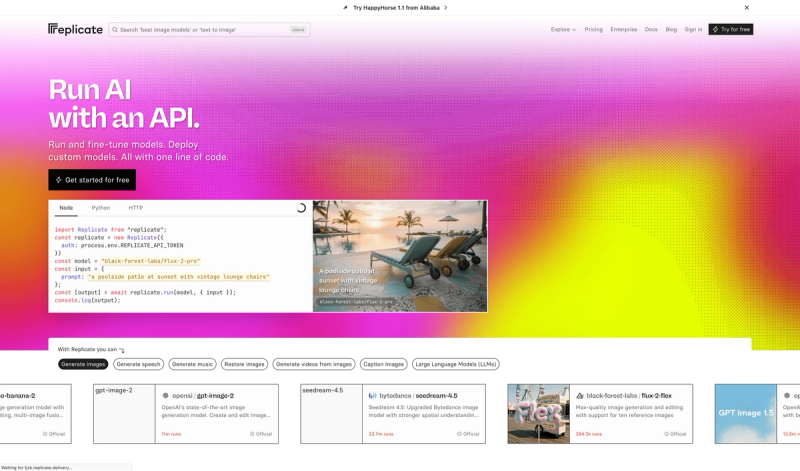
Replicate is a real, widely used model host with a large catalog and an active community, and it's a common pick for fast prototyping. Its current Grok Imagine-specific pricing wasn't confirmed during this research pass, so check Replicate directly before committing.
Best for: early prototyping before locking into a production vendor.
A note on one source we didn't use
While researching this piece, we came across an article claiming to review "10 leading proxy platforms" for Grok Imagine, complete with named competitors, pros, cons, and precise-looking pricing for each. We didn't use it here. Every entry followed an identical template, several of the named platforms have no independently verifiable presence, and the pricing was suspiciously exact across the board. That pattern points to programmatic, AI-generated content rather than a real comparison. It's worth knowing that content like this exists in this space, and worth staying skeptical of any "provider comparison" that doesn't show its sourcing.
Which one should you actually use?
If cheap, high-volume image generation is the priority, Apiframe's $0.03 per image is the lowest confirmed rate here. If you specifically need Grok's video-plus-audio output with mode variety, Kie.ai is built around that. If provider redundancy without managing your own failover matters more than raw price, OpenRouter handles that natively.
For teams building toward a real product, one that will likely need more than just Grok Imagine eventually (another image model for comparison, a video model, maybe audio down the line), Apiframe keeps that to one API key and one bill instead of a new integration for each vendor. For a closer look at Grok's video capabilities specifically, see the Grok Video API Guide. If you're weighing other routing or hosting options mentioned above, our breakdowns of OpenRouter pricing and Replicate pricing alternatives cover those platforms in more depth, and fal.ai pricing does the same for fal.ai.
If you're still comparing models rather than just providers, our roundups of the best AI image generator APIs and best AI video generation APIs cover more of the field.
You can get an API key and start with free credits, or go straight to the Grok Imagine Image and Grok Imagine Video model pages for full specs and code examples.
FAQ
What is Grok Imagine?
xAI's image and video generation model, built on the Aurora engine (now Aurora-2), known for a natural, less over-polished look and strong instruction following.
How much does the Grok Imagine API cost?
It varies by provider. Apiframe's confirmed rate is $0.03 per image (3 credits), the same for edits. OpenRouter lists image generation starting at $0.05. Other providers' current rates should be checked directly.
What is Spicy Mode?
A generation mode offered by some providers, including Kie.ai, for more expressive, less restrictive output alongside standard modes.
Do I need a separate xAI account?
No, none of the five providers above require one. That's the reason third-party APIs exist.
Which provider is cheapest for images?
Apiframe, at $0.03 per image, the lowest confirmed rate among the providers compared here.